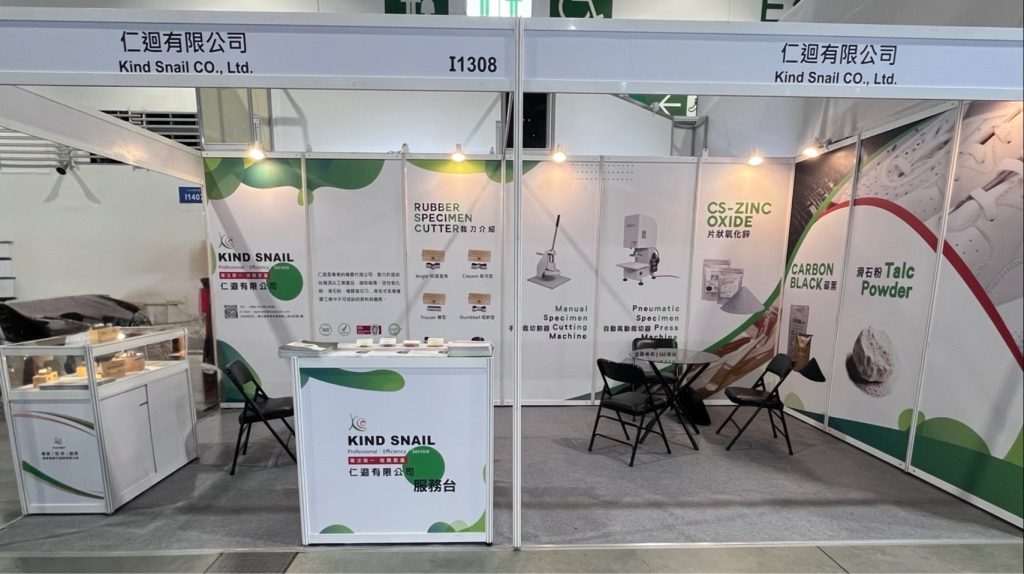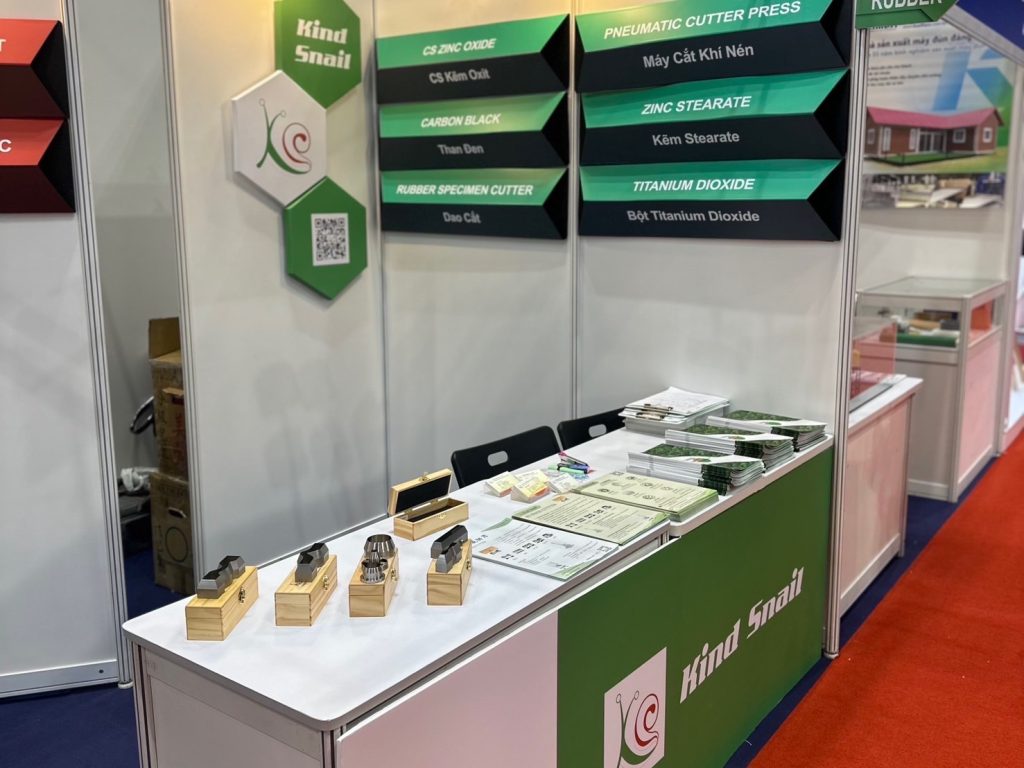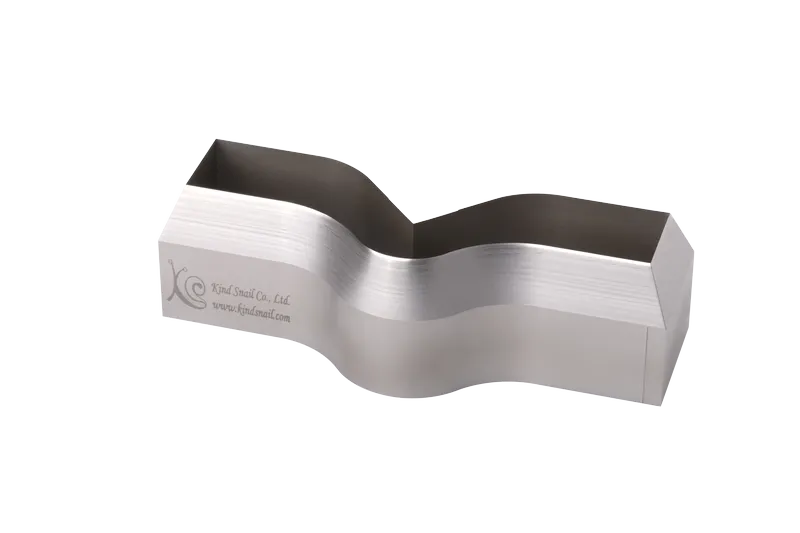


Carbon black is widely used in rubber, plastics, coatings, and electronics, valued for its reinforcing, conductive, and UV-absorbing properties. With market demand shifting, carbon black pricing, international carbon black prices, and future trends have become key industry concerns. This article explores its properties, applications, classification, naming system, and advancements in conductive and eco-friendly uses.
1. Properties of Carbon Black
- Chemical Formula: C (Produced via incomplete combustion)
- CAS Number: [1333-86-4]
- Appearance: Black powder or granules, high light absorption
- Surface Area: 10–150 m²/g (varies by type)
- Density: 1.7–1.9 g/cm³
- Conductivity: High for conductive carbon black
- Thermal Stability: No clear melting point, decomposes at high temperatures
2. Major Applications
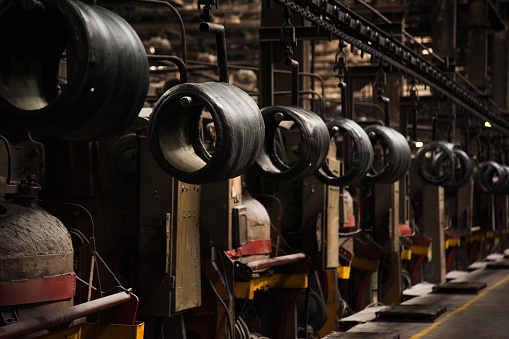
- Rubber Reinforcement: Key reinforcing agent in tires and rubber products, enhancing abrasion resistance.
- Plastics & Coatings: Used as pigment and UV absorber, ensuring durability.
- Electronics: Conductive carbon black is crucial for batteries and shielding materials.
- Eco-Friendly Applications: Growing demand for low-emission carbon black in green building materials and coatings.
3. Factors Affecting Carbon Black Prices
- Raw Material Costs: Prices fluctuate with petroleum costs.
- Market Supply & Demand: Growth in automotive and electronics industries boosts demand.
- Environmental Regulations: Stricter pollution control laws impact production costs.
4. Carbon Black Price Trends
- Global carbon black prices are steadily rising due to:
- Tighter environmental policies increasing production costs.
- High-end product demand (e.g., conductive and eco-friendly carbon black) expanding market share.
- Geopolitical factors affecting oil supply and raw material costs.
Conclusion
As a versatile material, carbon black remains indispensable across traditional and emerging industries. Understanding its applications, classification, naming system, and price trends helps businesses stay ahead of market dynamics.
For carbon black pricing, product details, or inquiries about conductive and eco-friendly carbon black solutions, feel free to contact us!